


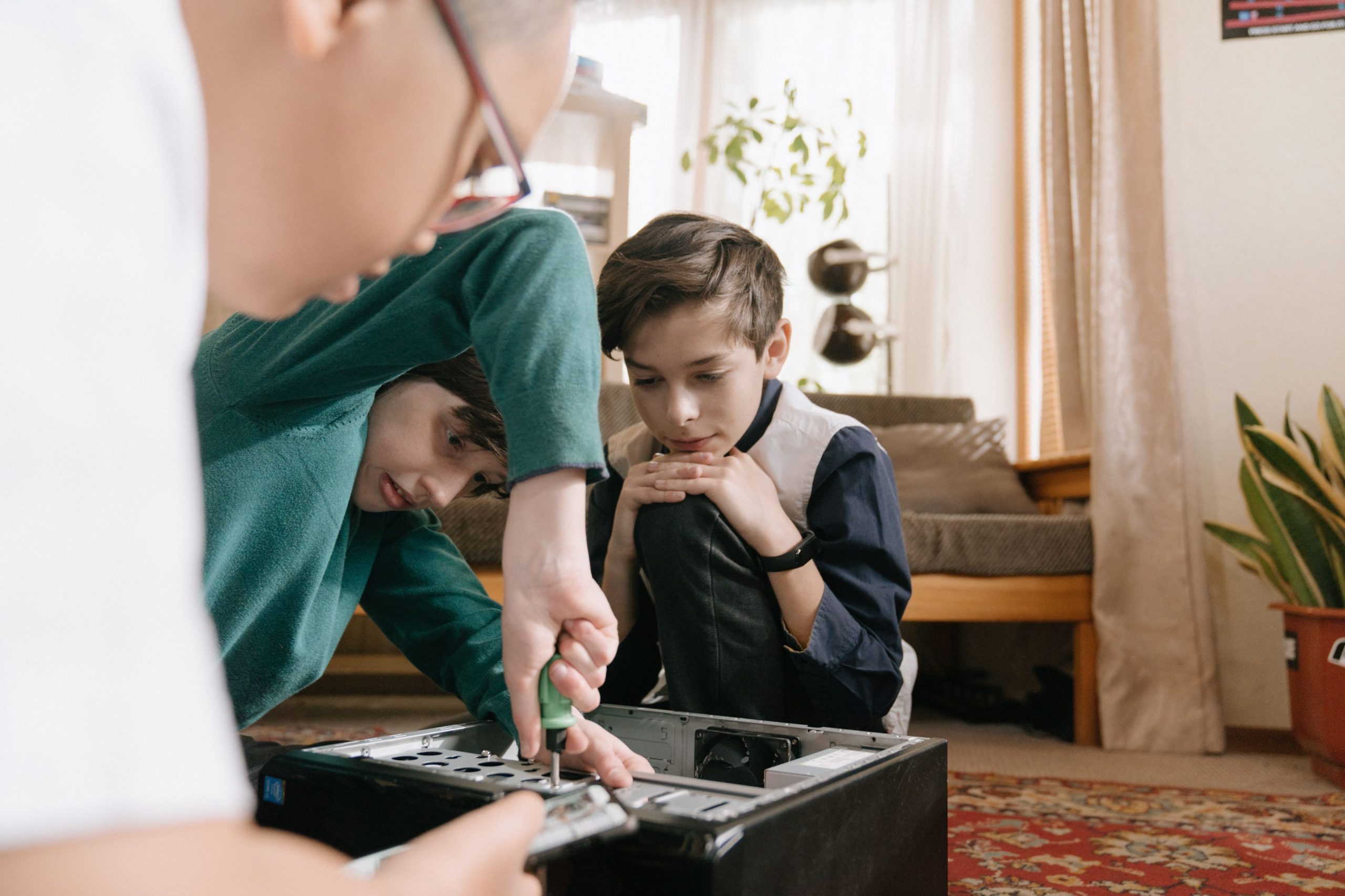
Busy parents juggling work, school routines, and tight budgets often face a quiet pressure: it’s easier to replace than to repair. Throwaway culture teaches children that a broken zipper, a wobbly chair, or a scuffed toy is the end of the story, and that habit carries an environmental cost long after the trash leaves the house. With that said, repair skills aren’t just practical; they’re a way to build respect for everyday belongings and the people and resources behind them. Early childhood education on maintenance turns small moments of care into a problem-solving mindset that kids can carry for life.
1. Understand Kid-Involved Maintenance
Repair-minded parenting means inviting kids into small, safe upkeep tasks and simple fixes, not doing everything for them. It is showing how to clean, tighten, patch, sew, or troubleshoot, then naming what they practiced: attention, care, and follow-through. This matters because those minutes teach resourcefulness and patience in a way lectures cannot. Research linking the frequency of chores to a stronger child’s perception of competence later supports the idea that steady responsibilities shape character. Over time, kids connect ownership with upkeep and spending with smart choices. Picture a torn backpack strap before school. Instead of rushing to buy a new one, you grab a
needle, thread, and a timer, and they help stitch five minutes at a time. The repair becomes proof that problems can be worked through, not tossed. That same calm routine applies well to kid-safe HVAC care at home.
2. Turn HVAC Upkeep Into a 15-Minute Family Maintenance
Lesson
Once kids see that small, regular care keeps their things working longer, it’s easy to extend that lesson to the systems that keep your whole home comfortable. Invite children into simple, kid-safe HVAC tasks: let them hand you a new air filter, read the size on the old one, or help you note the date it was changed; have them wipe exterior vent covers or gently vacuum dust from around them; and involve them in scheduling seasonal maintenance so they connect routines with prevention. These short moments teach a powerful idea: a little upkeep protects an important (and expensive) household system and can save money over time. And when upkeep does turn into a repair, like swapping a worn part, use reputable sources so the replacement is high quality, durable, and truly compatible with your system. Many parents find that reviewing HVAC replacement parts helps them understand what they’re buying before anything goes in the cart; see the full page to learn more.
3. Weekly Repair-Mindset Rituals for Families
These habits turn caring for things into a normal family rhythm, not a big “fix-it” event. With regular practice, kids build confidence, patience, and the expectation that most problems have workable next steps.
Pause Before You Replace
- What it is: Ask “Can we clean, tighten, or patch it first?”
- How often: Daily
- Why it helps: Kids learn repair begins with observation, not shopping.
Five-Minute Home Scan
- What it is: Do a quick walk-through to spot wobbles, drips, or fraying.
- How often: Weekly
- Why it helps: Catching small issues early prevents bigger repairs later.
Name the Problem, Then Brainstorm
- What it is: Use the problem-solving process aloud before touching tools.
- How often: Per repair moment
- Why it helps: Kids practice calm steps when something stops working.
Tools Have Homes
- What it is: Store kid-safe tools in labeled spots and reset after use.
- How often: After each project
- Why it helps: Less chaos means more independence and fewer lost parts.
Care Calendar and Sticker Wins
- What it is: Track simple maintenance dates and celebrate completion with a sticker.
- How often: Weekly
- Why it helps: Routine makes upkeep feel achievable and worth finishing.
4. Mind the Family Repair Habits Quick-Start Checklist
A short checklist makes repair feel doable, not overwhelming, and helps kids see progress fast. Use it like a classroom cue card: pick one item, model it once, then let them try.
✔ Choose one item to maintain today.
✔ Ask “Can we clean or tighten first?”
✔ Sort screws, batteries, and cords into labeled containers.
✔ Wipe, dry, and store items after use.
✔ Practice one kid-safe fix like sewing a button.
✔ Reset a tool spot so supplies are easy to find.
✔ Track tasks with a chore chart or checklist on the fridge.
Finish one small fix this week, then celebrate the effort, not perfection.
Build Kids’ Repair Confidence by Saving One Everyday Item
It’s easy for broken zippers, wobbly chairs, and scuffed gadgets to slide into the “replace it” pile, especially when everyone is busy. A repair-and-care mindset slows that rush and treats everyday wear as a chance to practice patience, problem-solving, and responsibility, with motivating family involvement. Over time, the long-term benefits of repair education show up as more capable kids, less waste, and clearer environmental stewardship lessons that stick. Repairing together teaches kids that caring for things is caring for the world. Choose one item to save this week, something ordinary, and maintain it side by side in a calm, doable moment. Those small repairs quietly grow a sustainable lifestyle and a steadier, more resilient way of living.
Article by Joyce Wilson. Joyce is a retired teacher with decades of experience. Today, she is a mentor to teachers in her local public school system. She and a fellow retired teacher created teacherspark.org to share creative ideas and practical resources for the classroom.
Discover expert insights and practical tips for parenting and personal growth at Douglas Haddad’s website, where you can access free resources and courses to empower your journey.